
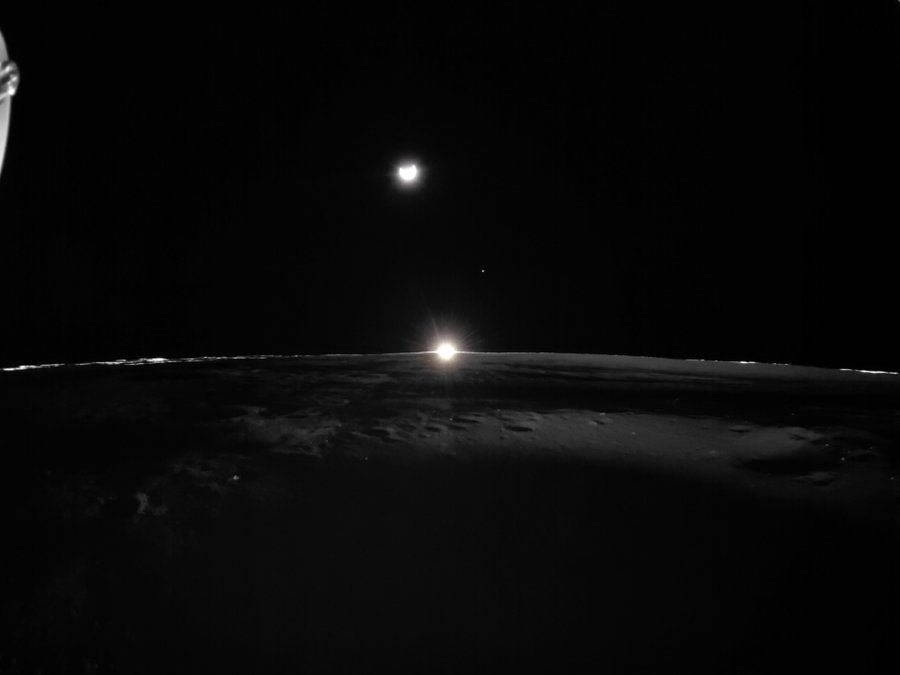
NASA, in collaboration with Firefly Aerospace, has made history by releasing the first high-definition images of a lunar sunset. This breathtaking milestone marks a significant leap in space exploration and offers an unprecedented look at the Moon’s shifting light as day transitions into night.
A Landmark Mission
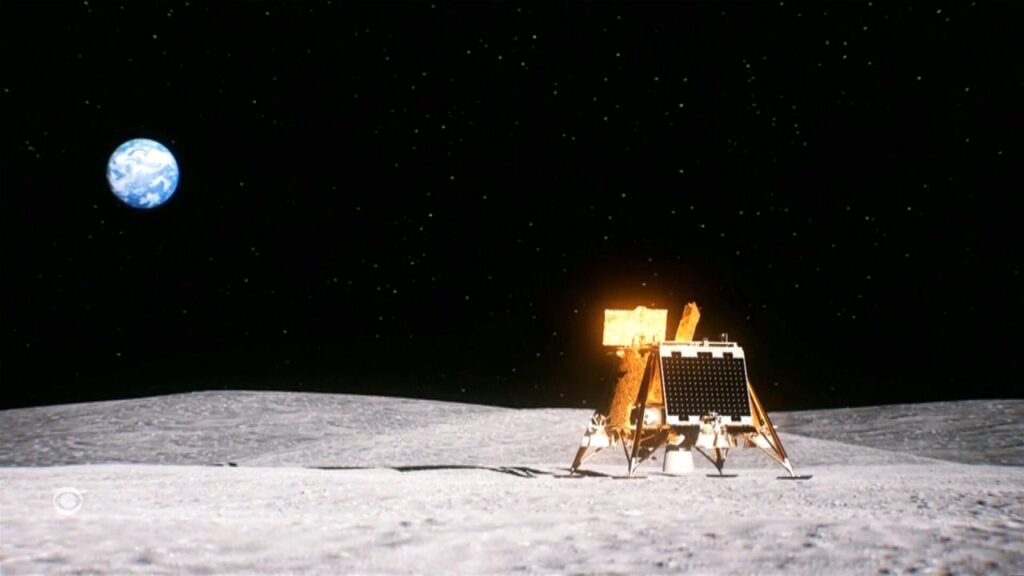
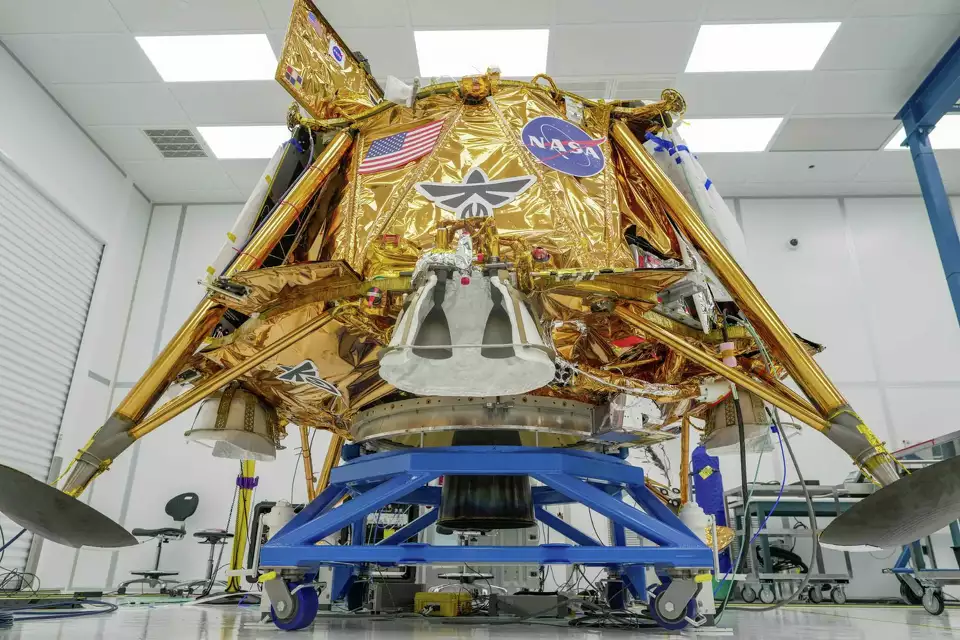
Launched on January 15, 2025, aboard a SpaceX Falcon 9 rocket, the Blue Ghost lander successfully touched down on the Moon’s Mare Crisium region on March 2. This mission was part of NASA’s Commercial Lunar Payload Services (CLPS) program, designed to foster collaborations with private space companies to deliver advanced scientific instruments to the lunar surface.
During its mission, which lasted a full lunar day (approximately 14 Earth days), the Blue Ghost lander performed groundbreaking research before entering lunar night, an environment too extreme for the lander’s systems to withstand.
Capturing the Lunar Sunset
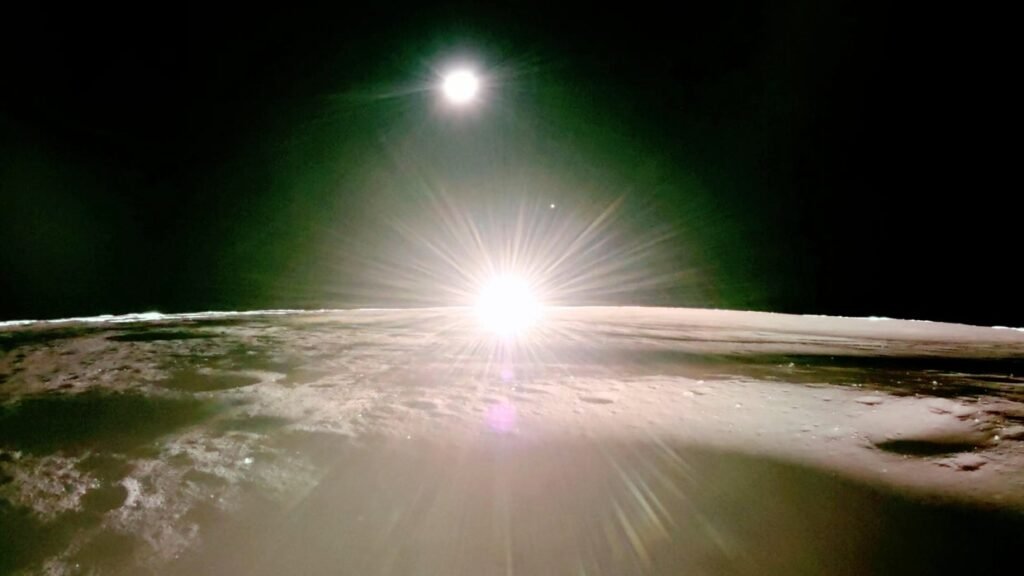
As its mission concluded, the Blue Ghost lander captured an awe-inspiring time-lapse of the Moon’s sunset, taking images every 10 minutes over a five-hour period. These high-resolution photos showcase the Sun dipping behind the Moon’s rugged terrain, creating an ethereal glow across the horizon. Scientists believe these visuals will help deepen our understanding of how sunlight interacts with lunar dust and the exosphere.
Scientific Breakthroughs
In addition to the stunning sunset images, the Blue Ghost lander carried out crucial scientific experiments, including:
- Lunar Soil Analysis – A drill was used to assess the Moon’s thermal properties, providing insights into its subsurface composition.
- Dust Mitigation Studies – Research focused on innovative methods to control and remove lunar dust, a major challenge for future Moon missions.
- Navigation Advancements – The mission successfully detected Earth-based signals, such as GPS and Galileo, for the first time on the Moon, paving the way for better navigation in future lunar explorations.
The Mystery of Lunar Horizon Glow
Sunsets hit differently on the Moon! More images below of the horizon glow that comes to life just above the Moon’s surface as the sun goes down. This milestone embodies all the achievements from this historic Firefly mission. Thank you #BlueGhost for the final goodbye. Until… pic.twitter.com/qfmETBIVDT
— Firefly Aerospace (@Firefly_Space) March 18, 2025
One of the most intriguing findings from this mission is the confirmation of the lunar horizon glow, a phenomenon first observed by Apollo 17 astronaut Eugene Cernan. Scientists believe this glow occurs due to electrically charged lunar dust levitating above the surface. The images captured by Blue Ghost offer new perspectives on this mysterious effect and its potential impact on future Moon missions.
What’s Next?
Although the Blue Ghost lander was not designed to endure the harsh conditions of the lunar night, Firefly Aerospace remains hopeful for a possible reactivation attempt in early April. The data and images collected during this mission will significantly contribute to upcoming lunar projects, especially NASA’s Artemis program, which aims to return humans to the Moon by 2027.
With each mission, humanity takes one step closer to unlocking the Moon’s secrets, paving the way for future lunar colonies and deep-space exploration. The stunning images from the Blue Ghost lander are not just a testament to technological advancements—they are a glimpse into the future of space exploration.
Leave a Reply